
Intro
DIFFICULT BIRD
RESEARCH GROUP
Intro
DIFFICULT BIRD
RESEARCH GROUP
We are a group of scientists that go above and beyond to help bird species that are on the edge of extinction and ‘difficult’ to study.
Study Species
Study Species
STUDY SPECIES
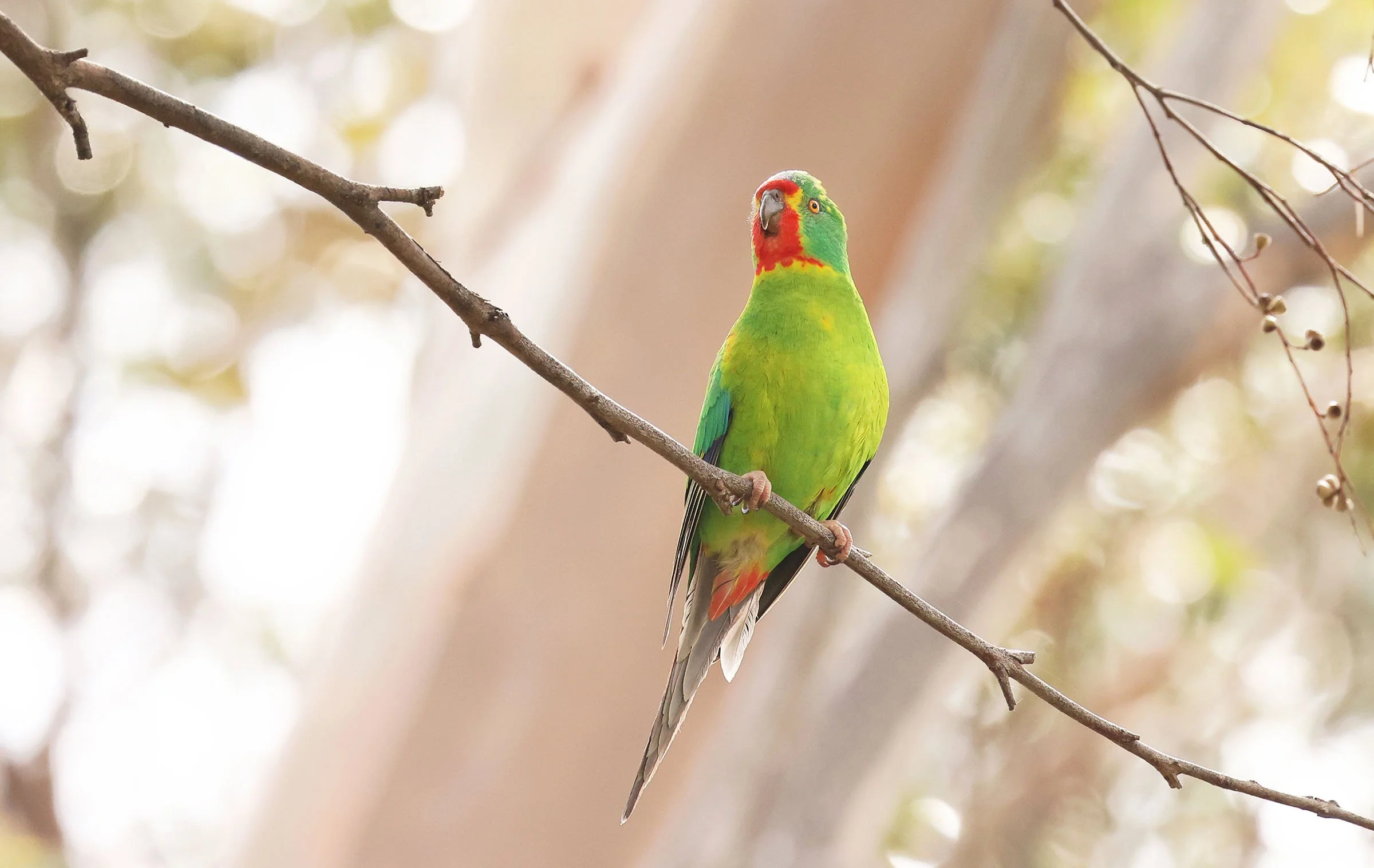
Always on the hunt for nectar, this endangered parrot traverses oceans chasing flowering gums and the perfect tree hollow. Find out why they need our help.
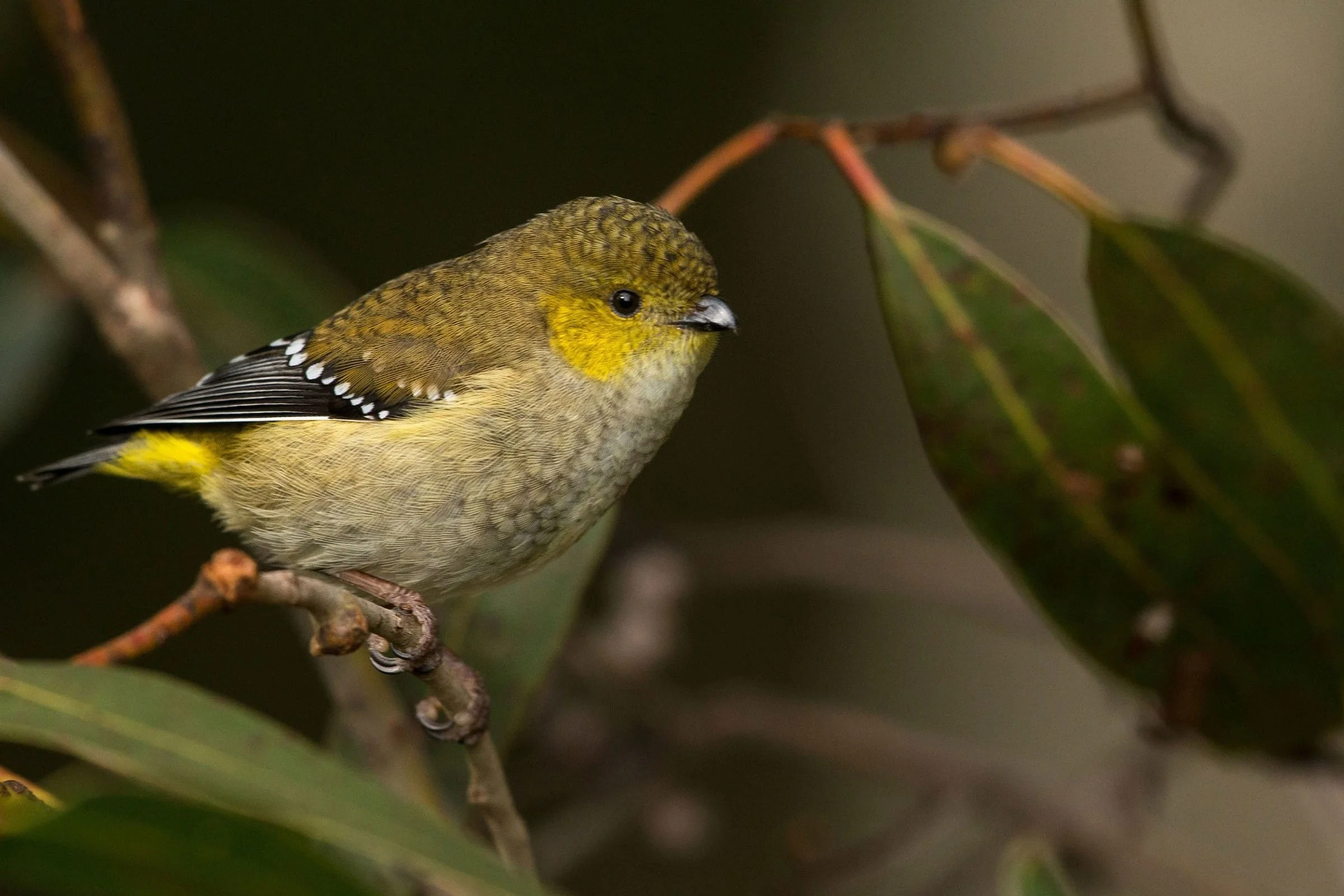
This tiny bird used to be widespread across Tasmania, it now survives in small, fragmented populations due to habitat loss, parasite risk and nest competition.

What happens when a bird loses its song? Find out how our research can help inform conservation management and halt the genetic decline of Australia’s most endangered songbird.
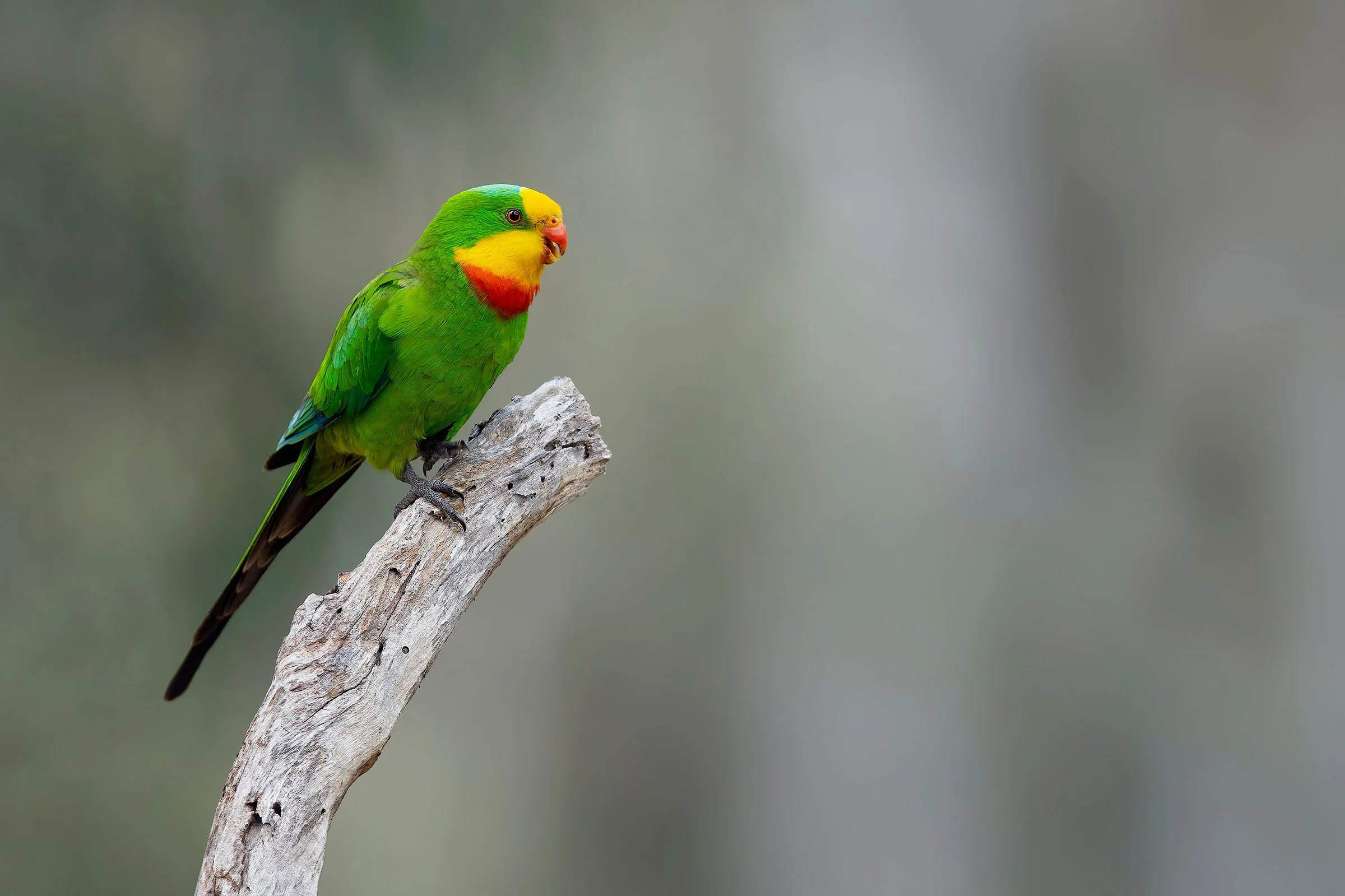
A nomadic species with a specific taste in real estate. Every year this bird loses critical habitat to urbanisation and land clearing.
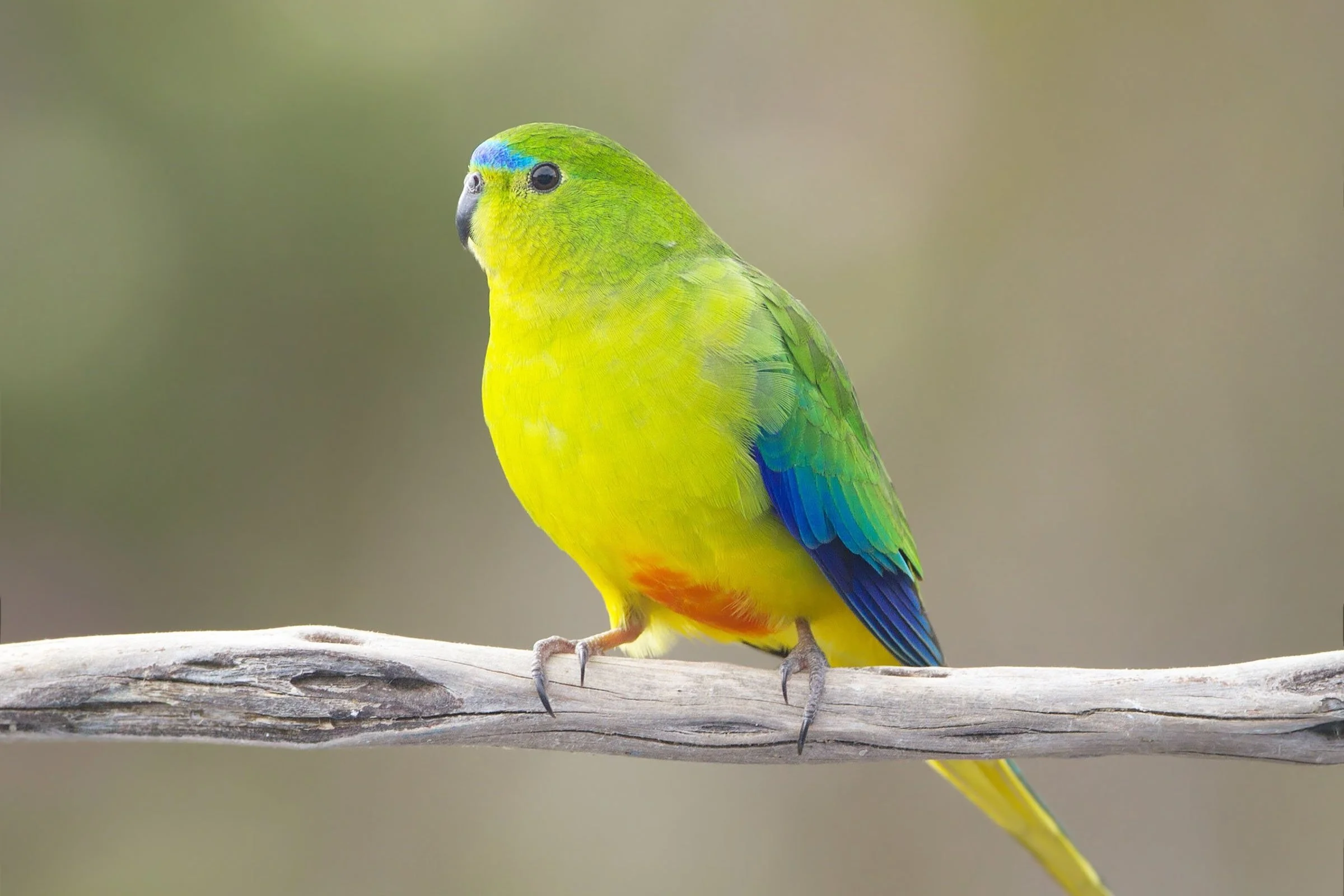
The most difficult bird of all: there are less than 100 individuals of this parrot left in the wild.
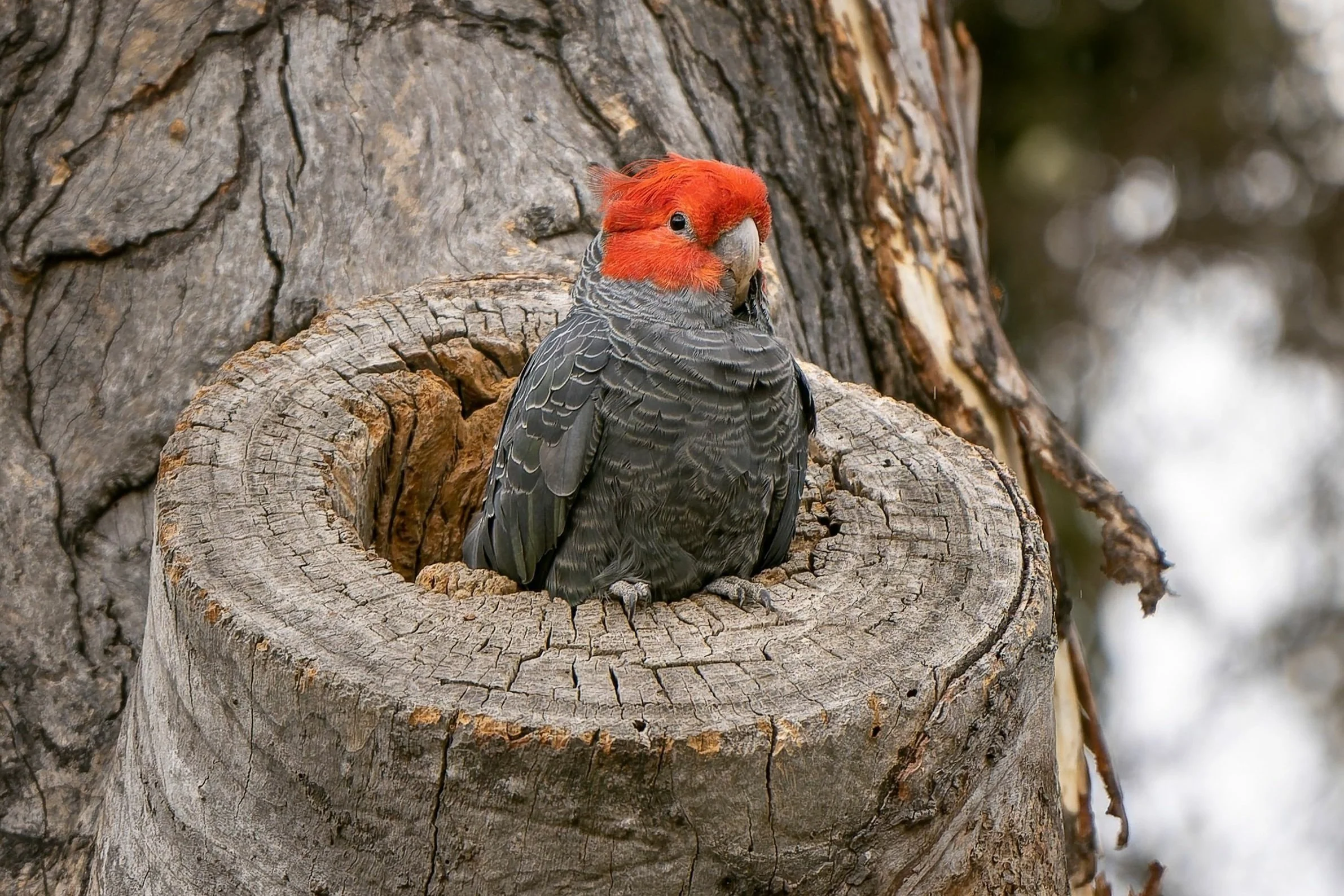
Numbers have fallen by 70% in just three generations, with declines beginning before the 2020 Black Summer fires. Find out what we’re doing to uncover what’s driving these losses to better protect this iconic species.
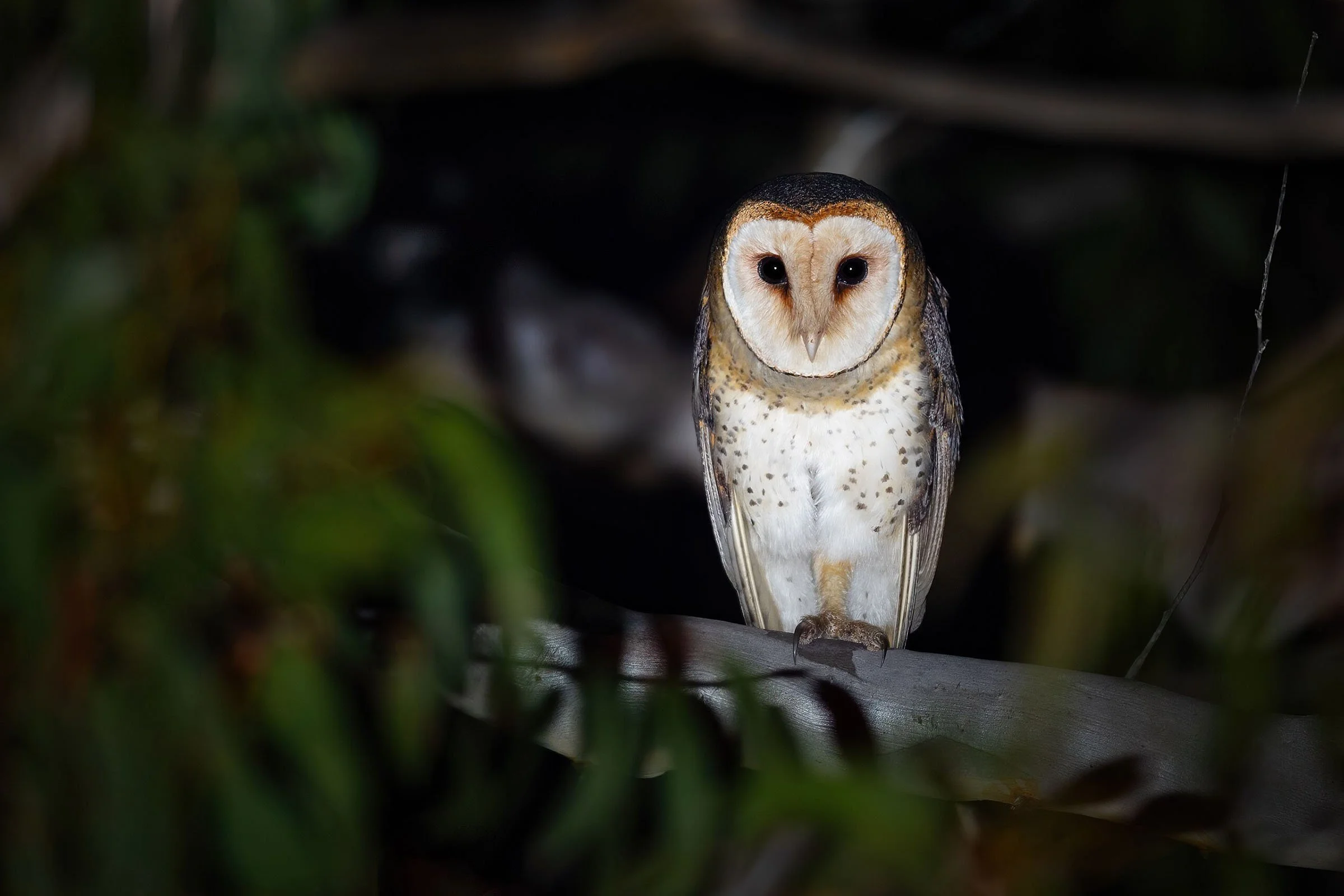
Relying on deep tree hollows in old growth eucalypts, this cryptic owl has been severely impacted by logging. Find out how we train detective dogs to look for owl pellets in an effort to uncover their behaviour.
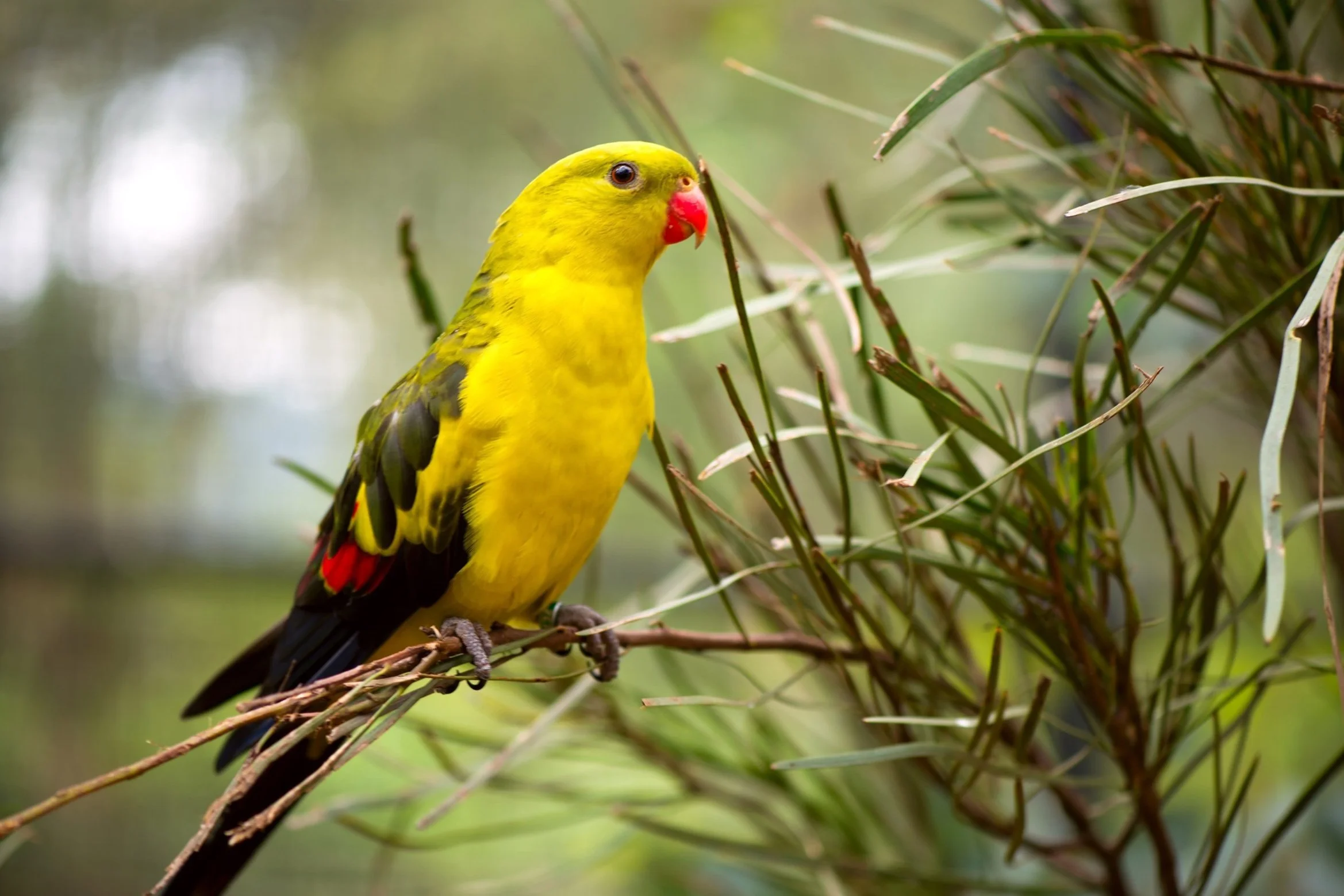
Built to move, this riverine species travels large distances in search of food. It’s habitat has been severely altered for agriculture, putting it at risk of decline.
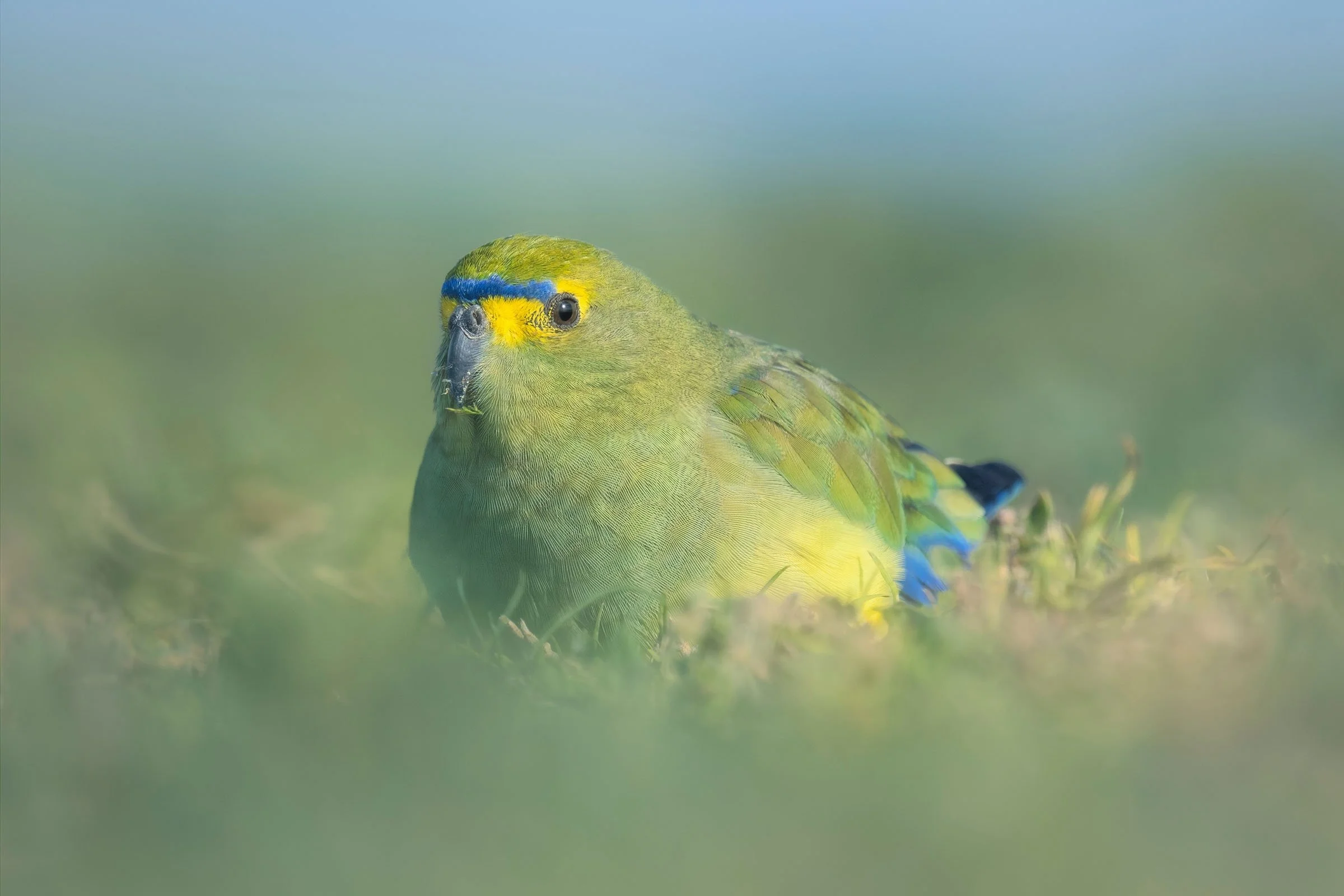
Little is known about this mobile grassland parrot: gathering baseline data is a vital step in securing its future.

The drummers of the bird world, we study the unusual behaviour and demography of this elusive tropical parrot.
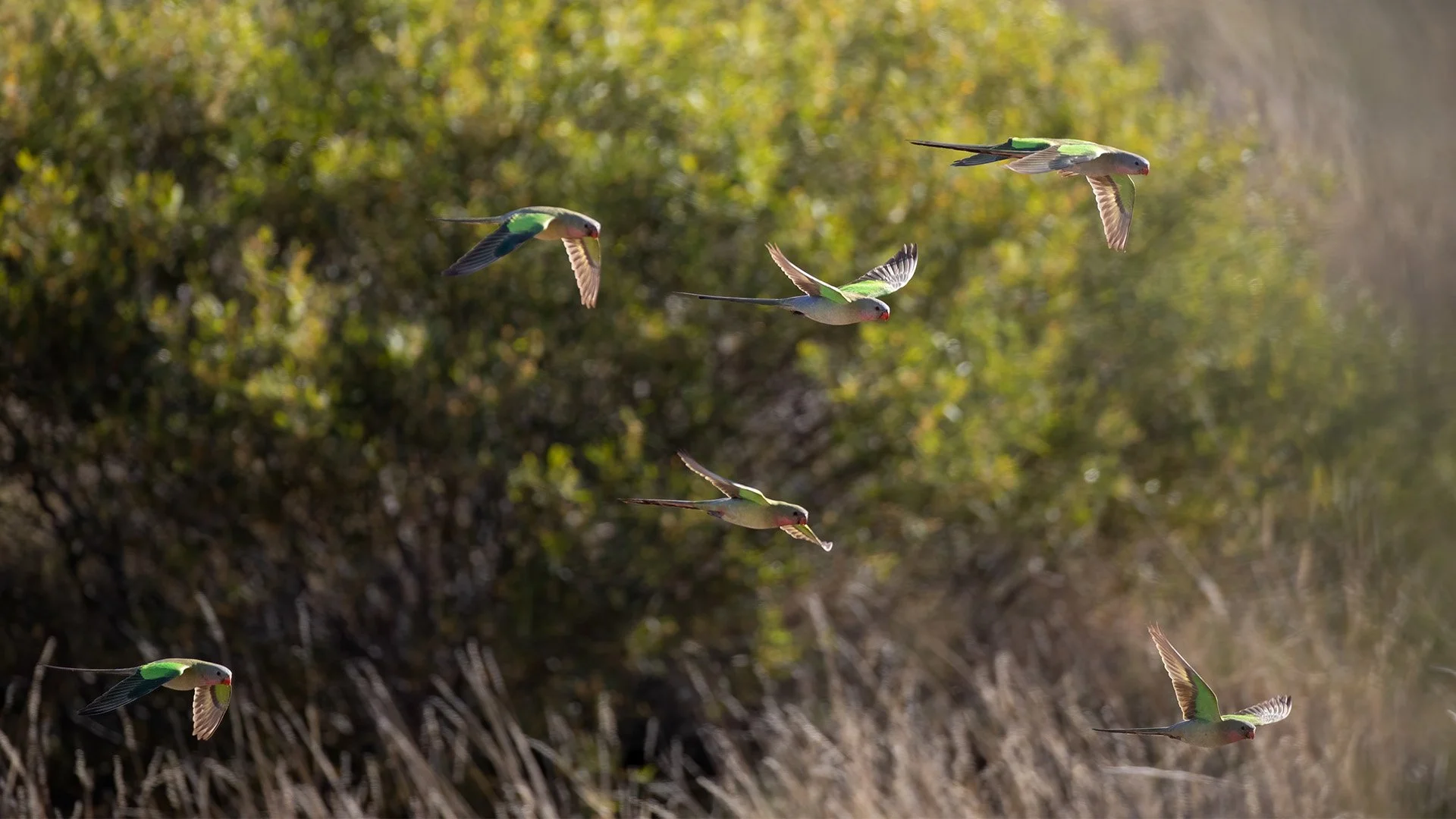
A nomadic species scattered across vast regions of arid Australia, this bird is rarely seen. We are working with Aboriginal communities to better understand their ecology and numbers.
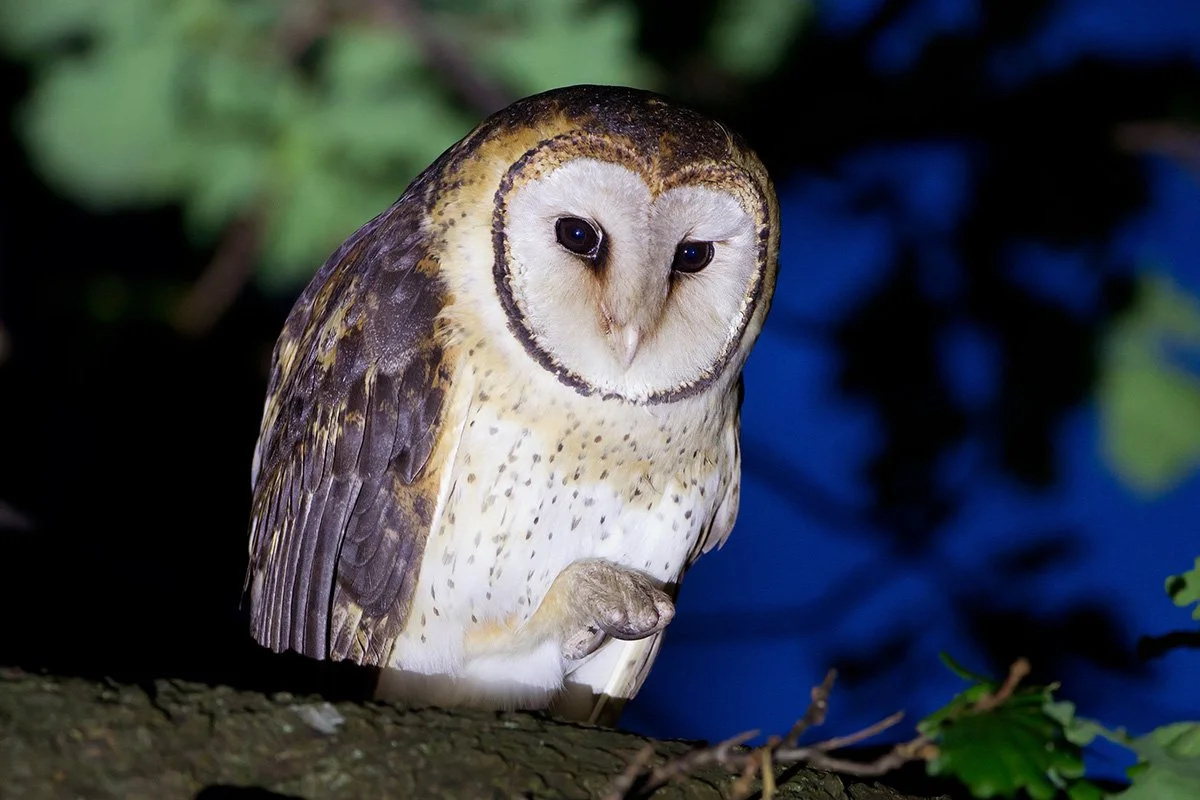
Tasmanian Masked Owl
Tasmania’s masked owl is a top night predator, but the loss of old-growth forests threatens its future.
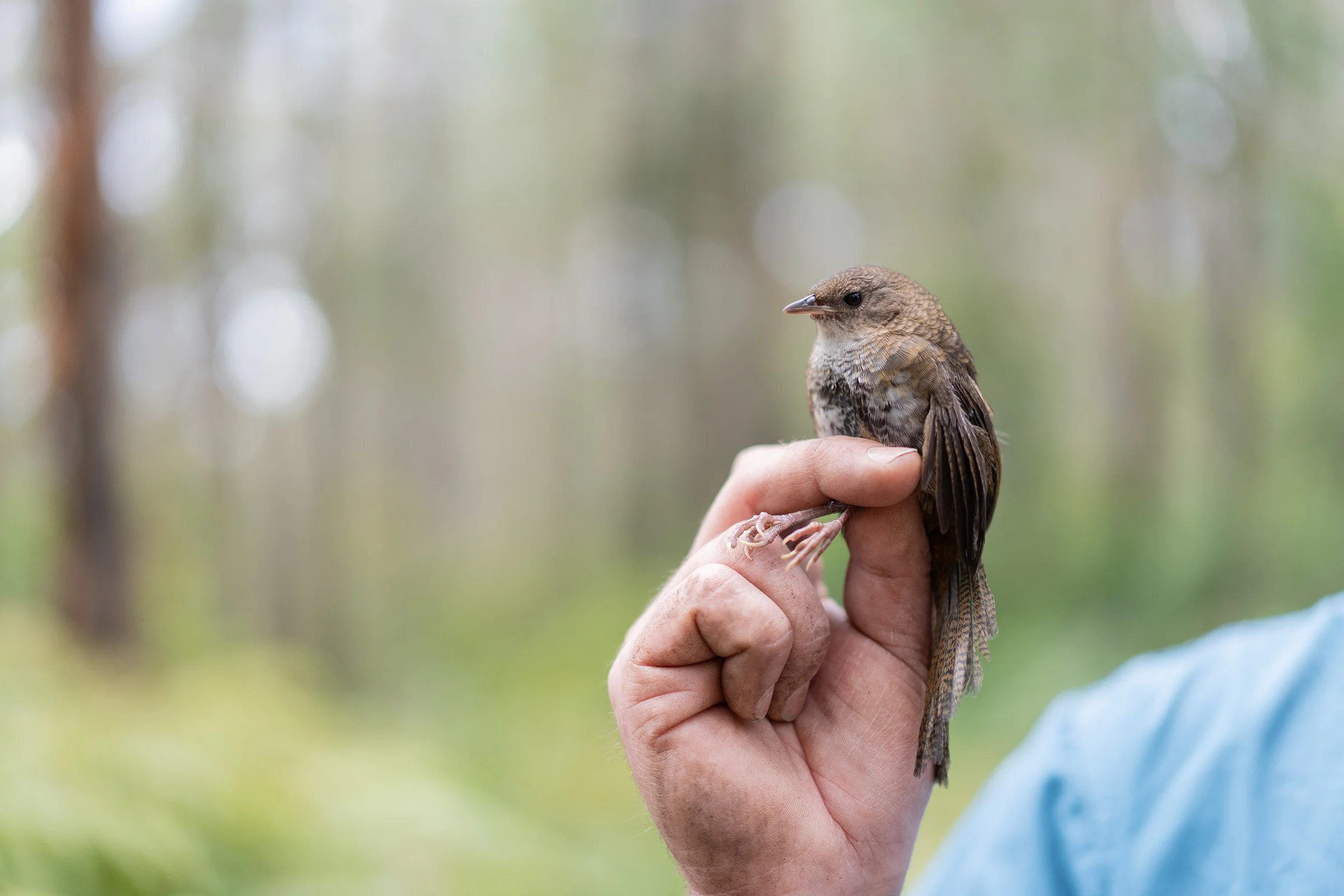
With fewer than 2,000 left, we’re using DNA to help save the rare and ancient rufous scrub-bird.