
Blue-winged Parrot
Neophema chrysostoma
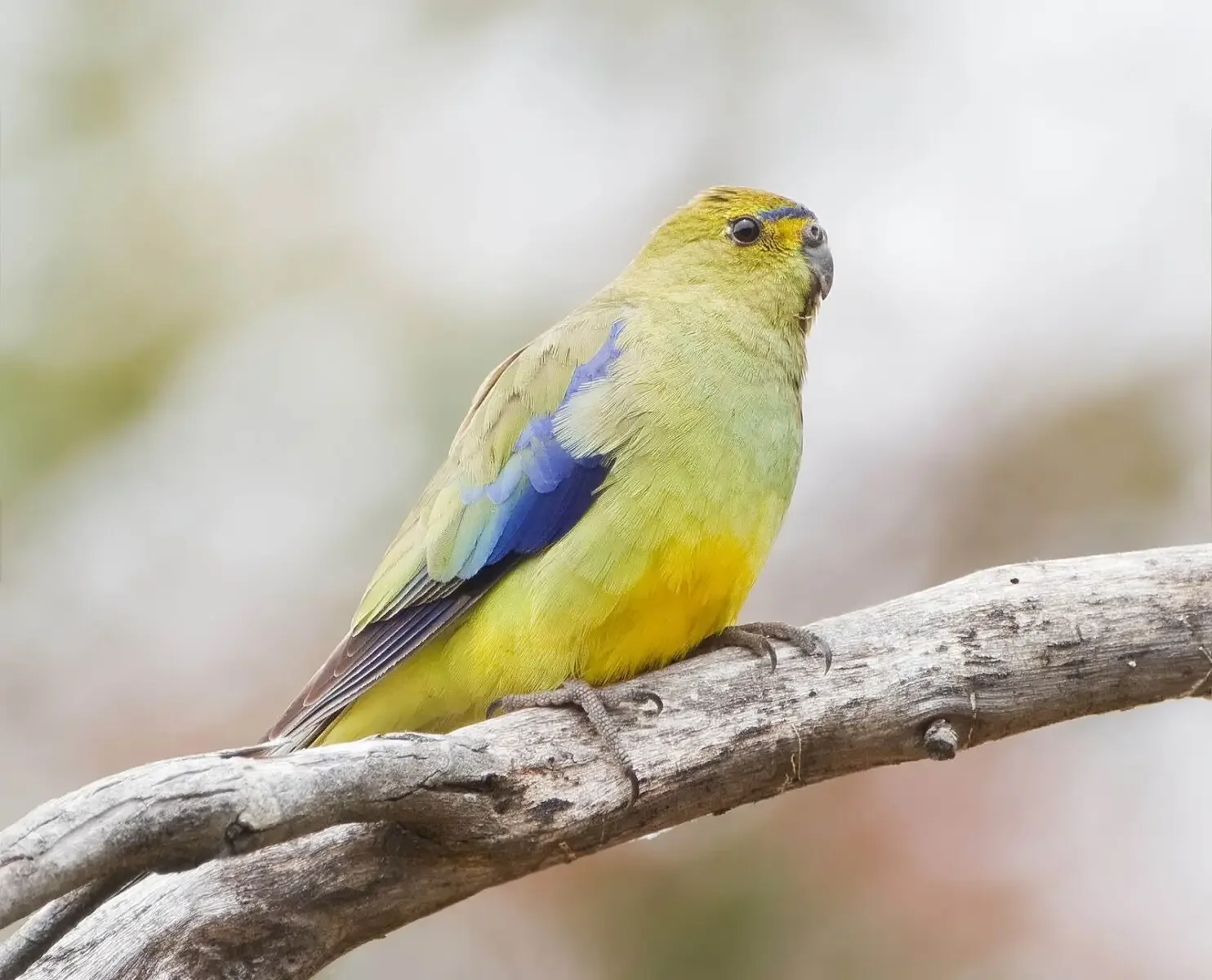
Closely related to the orange-bellied parrot, the blue-winged parrot is a small, fast-moving bird found across south-eastern Australia. It breeds in Tasmania, Victoria and south-eastern South Australia, with many birds migrating to the mainland during winter.
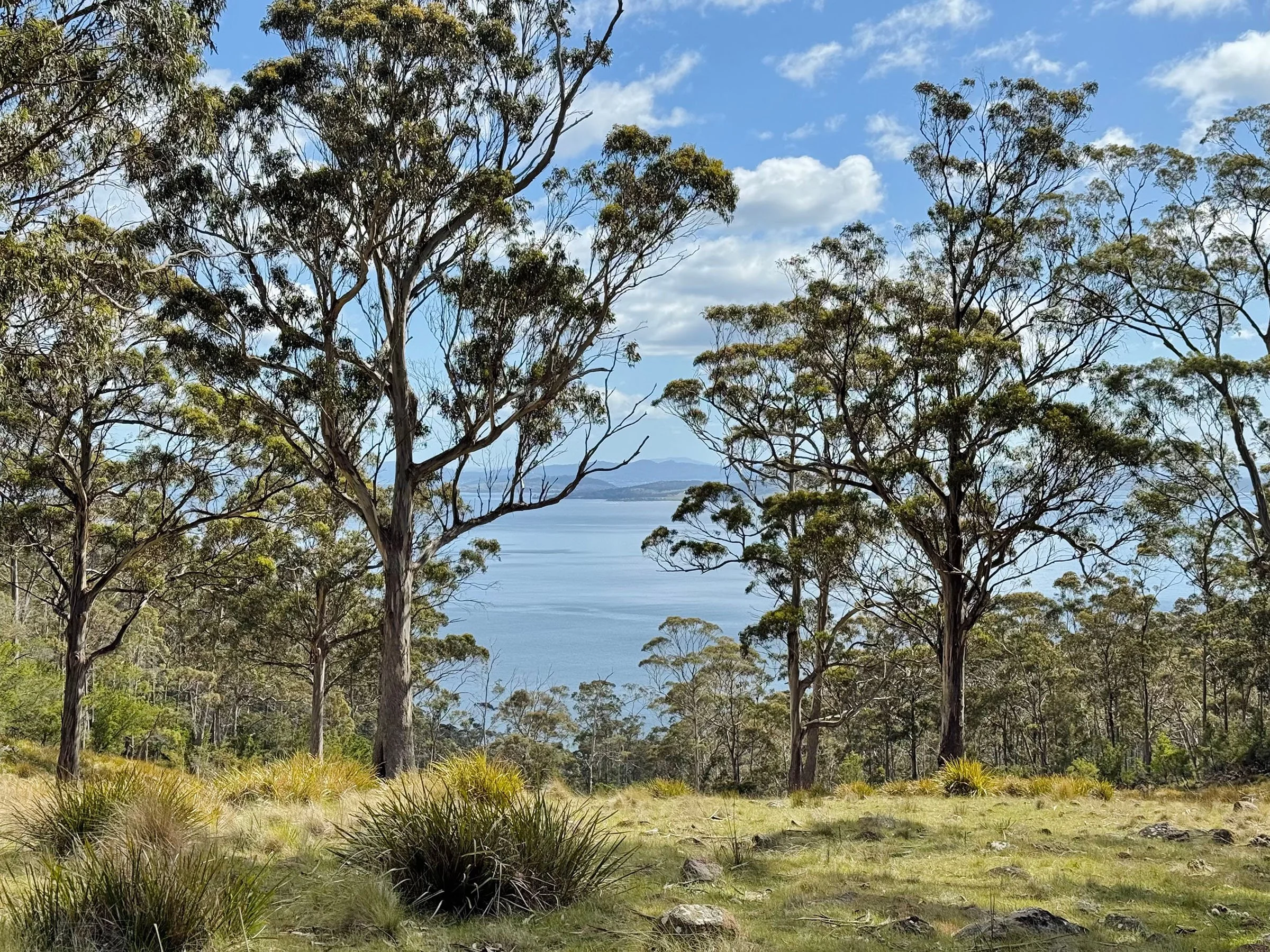
Despite being widespread, the species is poorly studied and was recently listed as Vulnerable due to suspected population declines. Blue-winged parrots live in open habitats such as grasslands, woodlands and coastal areas. They feed on seeds at ground level and nest in tree hollows in mature eucalypts.
Why is it in trouble?
Habitat loss and change
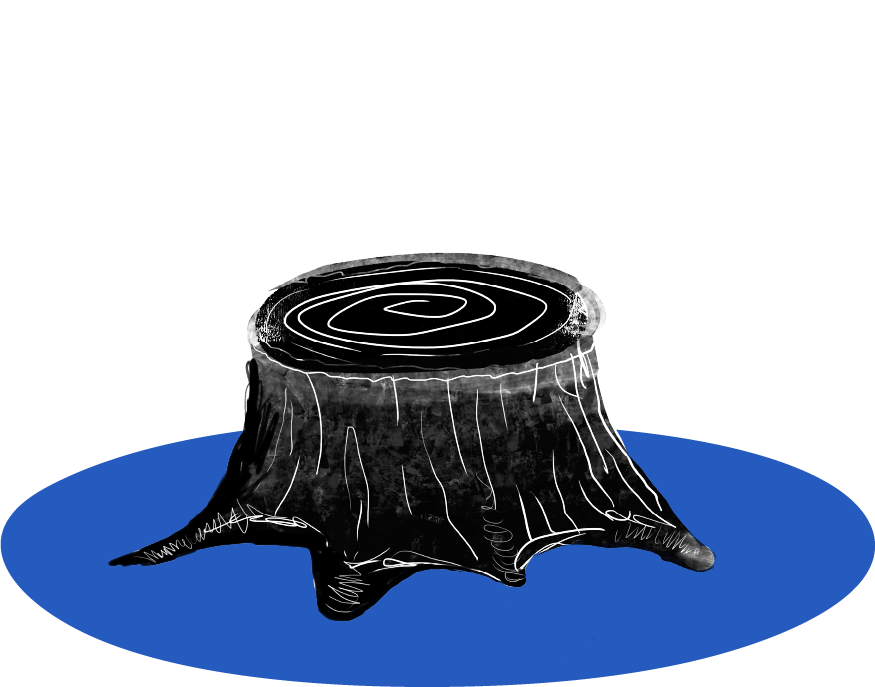
Clearing for agriculture, urban growth and renewable energy infrastructure removes feeding areas and nesting trees.
Nest predation & introduced species
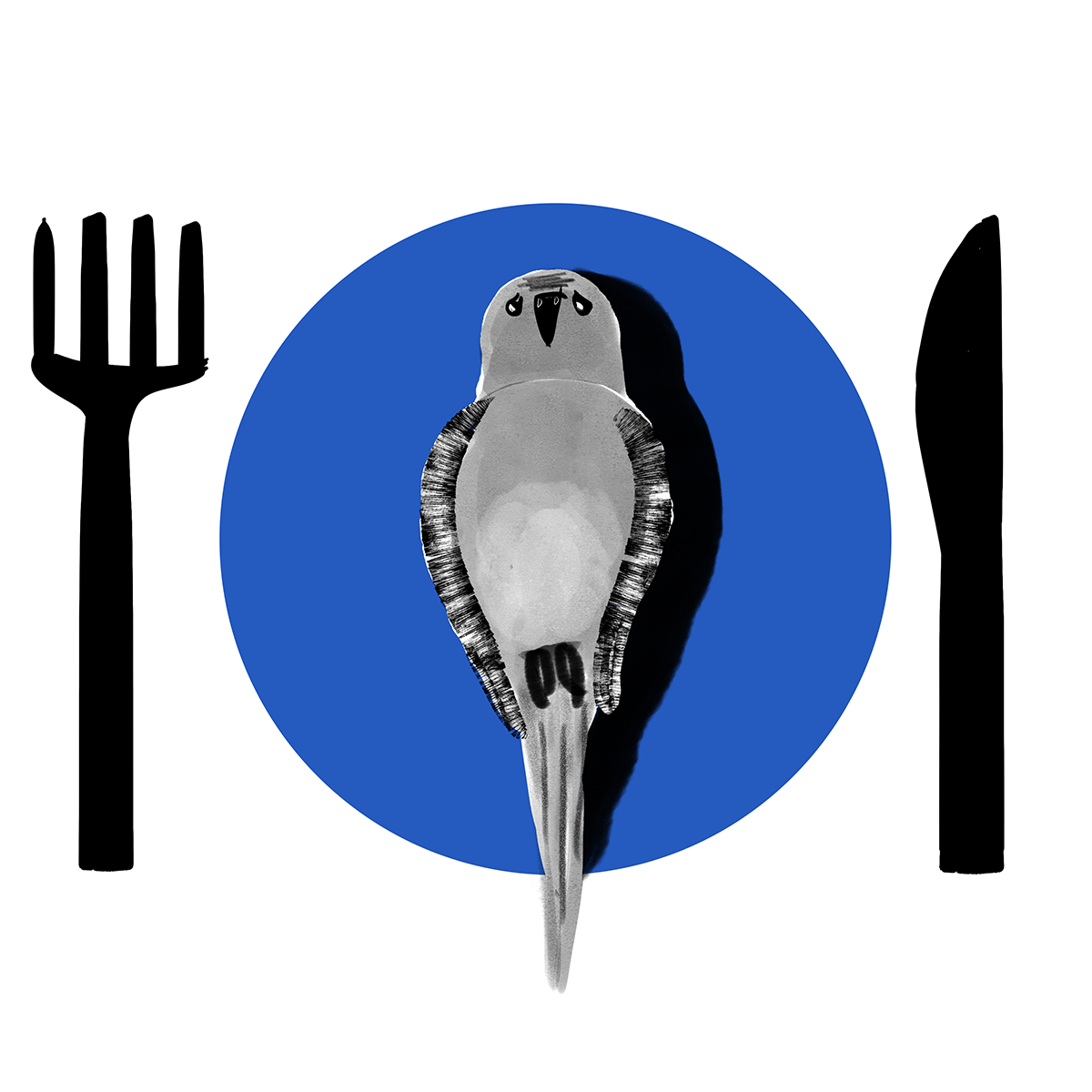
Nest predators such as sugar gliders may threaten breeding success, especially in Tasmania.

Human-related mortality
Blue-winged parrots are vulnerable to collisions with wind turbines, power lines and vehicles, particularly during migration.
Why is it difficult?
Migrate long distances
Many birds move hundreds to thousands of kilometres each year, making them hard to track.
Movements are poorly understood
It is unclear how different breeding populations are connected or where birds spend winter.

Knowledge gaps
Despite their wide range, key details about population size, trends and breeding success are still unknown.
What are we doing?
Research and Monitoring
Researchers are working to fill major knowledge gaps by studying where Blue-winged parrots breed, feed and migrate. This includes identifying important nesting and foraging habitats and understanding how different populations may be connected.
Future research
Future work will focus on tracking movements, assessing risks from wind farms, studying nesting success and predation, and understanding population size and trends. This research is critical to guide conservation action and prevent further declines in this little-known parrot.